
A walk-in tub is one of the most valuable upgrades you can make when remodeling your home for aging in place. Because they have low-threshold entry and safety features like grab bars and nonslip flooring, walk-in tubs are safer and more accessible than standard alcove tubs and freestanding soaking tubs. Jetted walk-in tubs also offer hydrotherapy benefits that can help ease many of the physical effects of aging, from joint pain and stiffness to muscle tension and soreness. Strategically placed water and/or air jets help relieve joint pain and stiffness, reduce muscle tension, and improve circulation.
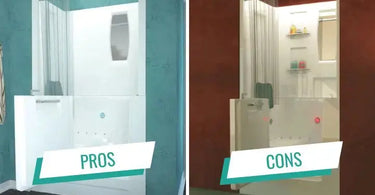
Walk-in tubs offer many advantages that you won’t get with a standard tub or walk-in shower, from improved safety and accessibility to a more comfortable, spa-like bathing experience. At the same time, they come with a few trade-offs such as a higher upfront cost, installation considerations, and added maintenance for jetted models. Like any major home upgrade, there’s a lot to consider before purchasing a walk-in tub. Understanding how walk-in tubs work, as well as the unique pros and cons of walk in tubs, will help you determine whether this type of bathtub will fit your needs and lifestyle.
What Are Walk-In Tubs?
A walk-in tub is a bathtub with a built-in seat, watertight door, and low threshold step-in entry that allows for easier, safer, and more accessible independent bathing. Walk-in tubs are designed for individuals with limited mobility including wheelchair users (wheelchair accessible walk-in tub models are available).

Othertypes of walk-in tubs designed to accommodate specific needs (such as bariatric walk-in tubs and hydrotherapy walk-in tubs) are also available. Hydrotherapy walk-in tubs feature adjustable water jets and/or air jets for therapeutic massage in the comfort of your home.
How Do Walk In Tubs Work?
Instead of stepping over the high wall of a standard alcove bathtub, you step into a walk-in tub after opening a watertight door that typically swings inward (which helps to ensure a watertight seal). A walk-in tub has a low threshold, typically under 7 inches, making it easier to enter safely. To create a safer and more accessible bathing experience, walk-in tubs typically include safety features like textured non-slip flooring and grab bars.
Once you are safely inside a walk-in tub, you sit on the molded, contoured built-in bathing seat, then close and lock the door. Next, turn on the tub faucet to fill the tub with water before bathing. When you’re finished bathing, you’ll need to activate the drain mechanism located near the seat of the tub. To ensure a safe exit, the tub must fully drain before the door can be unlocked and opened. While it can take 5-10 minutes to fill a walk-in tub, it usually only takes a few minutes to drain a walk-in tub. Walk-in tubs equipped with quick-drain systems can drain in a minute or less.
What Are the Benefits of Walk-In Tubs?
The five main benefits (or “pros”) of walk in tubs are:
1. Improved Safety and Accessibility for Independent Bathing
Walk-in tubs have key safety features (including low threshold entry, built-in molded seating, built-in grab bars, and slip-resistant flooring) that significantly reduce the risk of slips and falls compared to a traditional bathtub. These key features of a walk-in tub make it easier for people with limited mobility or balance issues to enjoy a warm, relaxing bath and have a safe, independent bathing experience.
2. Comfort and Ease of Use
Many seniors and people with limited mobility or balance issues find that a walk-in tub is more comfortable to use than a walk-in shower or standard tub. A walk-in tub features safety grab bars to hold onto during entry/exit, easy-to-reach controls, and molded, contoured built-in seating that is slip-resistant and set at chair height (typically between 16–18 inches). This allows you to sit down naturally as you enter, without bending or straining your knees and hips. Having a stable, built-in place to sit is more comfortable and less physically demanding than standing up to shower, while also helping to minimize the risk of slips and falls. Many walk-in tubs, such as MediTubs, also have a friction heater that maintains water temperature for extended, warm and comfortable bathing.
3. Therapeutic Relief
Walk-in tubs can provide relaxation and therapeutic relief from everyday aches and pains (as well as those associated with chronic conditions such as arthritis) by combining warm water immersion with ergonomic, seated bathing to reduce strain on joints and muscles. Walk-in soaking tubs rely on deep, full-body soaking in warm water to help reduce stress hormones like cortisol, increase circulation, ease muscle tension, and reduce joint stiffness, making them especially beneficial for de-stressing and everyday wellness. Hydrotherapy walk-in tubs like MediTubs use water jets, air jets, or a combination of both to provide targeted or full-body massage to help improve blood flow and relieve joint and muscle pain. Hydrotherapy or jetted walk-in tubs are especially useful for post-workout recovery while also delivering a reliable therapeutic massage experience at home for people dealing with chronic aches and pains.
4. Aging-in-Place Support
Walk-in tubs help older adults age in place with greater comfort and confidence. According to the 2025 U.S. Houzz Bathroom Trends Study, more homeowners completing or planning bathroom renovations are incorporating features such as curbless showers and walk-in tubs with grab bars to help accommodate aging family members and family members with mobility limitations. As the graying of America continues, bathroom fixtures like walk-in tubs will play an increasingly important role in supporting comfort, safety, and independence at home.
5. Non-Porous, Easy to Clean Surface
Because most walk-in tubs are manufactured from high-grade acrylic or fiberglass reinforced with a gelcoat finish, they provide a clean, hygienic surface that’s easy to clean and maintain over time. Smooth, non-porous acrylic and gelcoat surfaces are more resistant to mold, mildew, and bacterial growth than porous materials like tile grout or natural stone. Most walk-in tubs can be cleaned with mild, non-abrasive cleaners and a soft cloth or sponge.
Jetted walk-in tubs, however, require more maintenance because oil, bacteria, and other residue can collect inside the internal plumbing. To prevent buildup and mold growth, manufacturers typically recommend periodically circulating a cleaning solution throughout the tub to flush the jets. This involves filling the tub with water, adding a store bought orhomemade cleaning solution for jetted tubs, and running the jets for about 15 minutes. This process helps keep the internal plumbing lines clear and ensures the tub remains hygienic and performs as intended.

What Are the Disadvantages of Walk-In Tubs?
The five main drawbacks (or “cons”) of walk in tubs are:
1. Wait Time to Fill and Drain Tub
One of the key disadvantages of a walk-in tub is that it requires the user to sit inside the tub while it fills (and again while it drains). This can be a fairly uncomfortable experience, especially in cooler bathrooms. While a walk-in tub may only take a few minutes to fully drain, they often take five or more minutes to fill. Some bathers drape a towel or short bathrobe over their shoulders and lap to stay warm during the fill process. If your walk-in tub has a hand shower, you can also use that to direct warm water over your legs and torso while the tub fills up.
2. Space Requirements
Walk-in tubs are often larger and taller than traditional tubs. Jetted walk-in tubs in particular need considerable additional space for pumps, blowers, and access panels. As a result, some bathrooms require structural changes or layout modifications to accommodate them. However, most MediTub step-in and walk-in tubs feature compact, freestanding designs that make them suitable for alcove, corner, or back-to-wall installation in smaller spaces such as a mobile home or condo bathroom. Some walk-in tub models can also be installed with a shower enclosure for those who want a tub-shower combo in their bathroom. The Meditub 3053 walk-in bathtub was designed specifically to fit within a standard 60-inch tub opening, making it a cost-effective replacement for an existing alcove tub.
3. Overall Cost
Walk-in tubs are significantly more expensive than a standard alcove bathtub. Between the unit, plumbing modifications, and installation, total costs can easily reach 2K-5K+. This can be prohibitively expensive for seniors on a budget – even if they demonstrate a medical need for a walk-in tub.
According to the National Council on Aging, Medicare usually does not cover walk-in tubs. However, if a walk-in tub is deemed medically necessary and prescribed by a doctor, some Medicare Advantage (Part C) plans may offer partial coverage or home modification benefits. If a walk-in tub is purchased for medical safety reasons, it also might qualify as a medical expense and be tax deductible.
4. Installation Difficulty
Walk-in tubs, especially hydrotherapy or jetted models, are often more complex to install than a standard alcove tub because they typically require additional plumbing modifications and careful leveling using adjustable feet to ensure proper drainage and operation as well as a watertight door seal. Leaking is one of the most common problems that can occur with a walk-in tub if it is not properly installed or maintained (or if the door seal wears out over time).
5. Limited Style Options
Walk-in tubs are often designed for safety and function rather than style. Their bulkier structure, inward-opening door, and built-in seat can give them a sterile, utilitarian appearance. However, walk-in tubs are available in more design styles and configurations than ever before. Optional contemporary design features such as polished chrome or brushed metal fixtures are increasingly available.

Is a Walk-In Tub the Right Choice for Your Bathroom?
Walk-in tubs offer meaningful benefits for people who want a safer, more accessible bathing experience, including low step-in entry, built-in seating, and ADA-compliant grab bars that provide stability and support for people with limited mobility. Many walk-in tub models also provide therapeutic massage, via water and/or air jets, that can ease discomfort and pain, while enhancing relaxation and mind-body wellness.
However, walk-in tubs also have some key disadvantages. Walk-in tubs are usually more expensive than standard bathtubs, may require plumbing or structural modifications to your bathroom, and have a more utilitarian appearance than modern soaking tubs. They also require the bather to sit in the tub while it fills and drains, which may not suit everyone. Deciding whether a walk-in tub is right for your home depends on your mobility needs, budget, bathroom layout, and how long you plan to stay in the home. For older adults planning to age in place, a walk-in tub is often a smart investment that provides safety, therapeutic comfort, reliable use, and peace of mind for years to come.
Ready To Purchase a Walk-In Tub for Your Home?
Browse our full collection of walk-in tubs by MediTub or contact our Customer Service team for assistance with selecting the best walk-in tub for your unique needs and bathroom layout.
